
Success story: Water The industrial heritage of water in aux

In Augsburg, water is much more than just nature – it is a driving force for innovation, industry and urban progress. For over 800 years, a sophisticated water management system has shaped the city and region. The canals, waterworks and fountains are not only technical masterpieces, but also bear witness to a culture of water that continues to shape the future to this day.

Augsburg's industrial heritage as a model for the future Water that makes history
In Augsburg, water is much more than just nature – it is a driving force for innovation, industry and urban progress. For over 800 years, a sophisticated water management system has shaped the city and region. The canals, waterworks and fountains are not only technical masterpieces, but also bear witness to a culture of water that continues to shape the future to this day.

From canals to power stations

As early as the Middle Ages, the people of Augsburg began to channel water from the Lech and Wertach rivers into the city – the origin of a network of canals and water wheels. These supplied craft businesses and mills and provided impetus for early forms of urban recycling management.

In the 19th century, the water canal system became the driving force behind industrialisation: a thriving industrial belt emerged – particularly the textile industry and mechanical engineering companies such as MAN – which used water power to generate energy. Large factories settled along the canals, the Augsburg textile district was created, and entire suburbs benefited from work and growth.

In Augsburg, water is much more than just nature – it is a driving force for innovation, industry and urban progress. For over 800 years, a sophisticated water management system has shaped the city and region. The canals, waterworks and fountains are not only technical masterpieces, but also bear witness to a culture of water that continues to shape the future to this day.

From canals to power stations

As early as the Middle Ages, the people of Augsburg began to channel water from the Lech and Wertach rivers into the city – the origin of a network of canals and water wheels. These supplied craft businesses and mills and provided impetus for early forms of urban recycling management.

In the 19th century, the water canal system became the driving force behind industrialisation: a thriving industrial belt emerged – particularly the textile industry and mechanical engineering companies such as MAN – which used water power to generate energy. Large factories settled along the canals, the Augsburg textile district was created, and entire suburbs benefited from work and growth.

Technical pioneering achievement

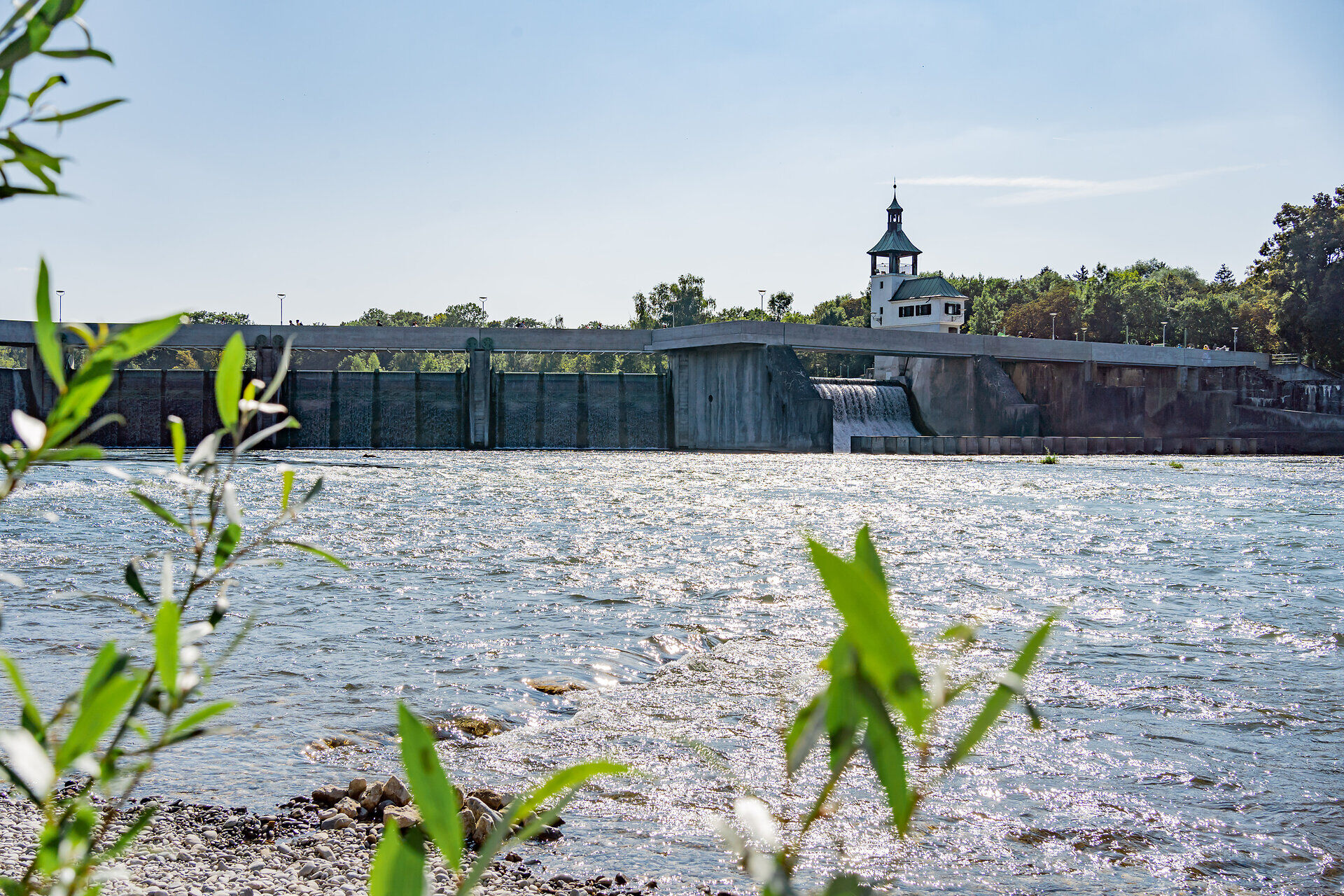
The historic waterworks at the Rotes Tor and the waterworks at the Hochablass are outstanding examples of technical innovation: at the Rotes Tor, drinking water was transported to water towers using pump systems in the 15th century, and from 1879 onwards, the Hochablass supplied the city for the first time without these towers – a global novelty at the time.

In addition to these plants, around ten historic hydroelectric power plants are still in operation in the region today – for example in Gersthofen, Langweid and Meitingen – generating sustainable electricity.

World Heritage with history

In 2019, Augsburg's water management system was officially recognised as a UNESCO World Heritage Site. The designation encompassed 22 objects – canals, waterworks, fountains and technical installations – which document the role of water in urban development and industry over the centuries.

Today, water is visible – as a flowing lifeline, in historic fountains such as the Augustus, Mercury and Hercules fountains, and in the omnipresent soundscape of the canals that run over 77 km through the city.

Industrial heritage brought to life

More than just cultural monuments: the former industrial sites along the waterways are now part of a dynamic urban fabric. Factory buildings have been converted into museums such as the Textile and Industry Museum (tim) or the Turbine Museum, while canals shape urban living and working spaces.

Visitors can tour historic waterworks, take part in guided and themed tours, or see old machines and flywheels in museums.

For you as a skilled worker: what does this mean in concrete terms?

In Aux, water demonstrates how technology and sustainability work together. The region lays the foundation for renewable energies, climate-friendly infrastructure and creative urban development based on historical resources. Anyone interested in sustainable tech innovation, industrial architecture or water management will find the best examples of future-proof practices here.